Dreamline: Infusing Playful Energy into Modern Design
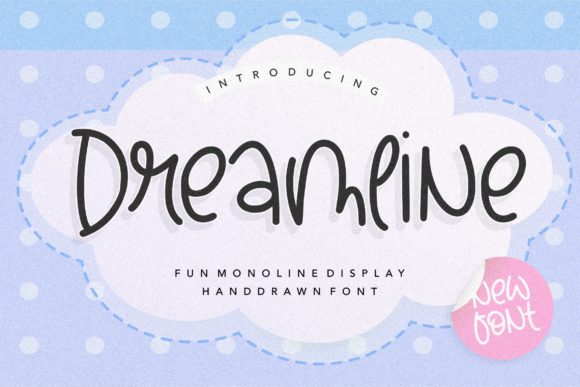
In a digital landscape saturated with clean, geometric sans-serifs, a font that radiates personality can be your most powerful design asset. Dreamline is a jolly, friendly, and incredibly playful handwritten font designed to inject warmth and authenticity into any creative project. This enchanting font will turn any creative idea into a true standout, offering a human touch that forges an immediate emotional connection with viewers. For graphic designers, marketers, and brand strategists, understanding how to leverage such a distinctive typeface is key to creating memorable and effective visual communication.
The Role of Handwritten Fonts in Brand Identity
Typography is a cornerstone of brand identity, silently communicating a brand's personality before a single word is read. While serif fonts convey tradition and sans-serifs suggest modernity, a playful handwritten font like Dreamline projects approachability, creativity, and joy. This makes it an invaluable tool for brands aiming to feel personal, artisanal, or youthful. Its casual elegance breaks down barriers, making messages feel less like corporate broadcasts and more like friendly conversations. In visual design, this font acts as a direct line to the viewer's emotions, enhancing user engagement through its inherent charm.
Practical Applications Across Creative Projects
The versatility of a font like Dreamline extends far beyond a simple logo. Its unique character can elevate numerous design contexts, provided it is used with strategic intent. Consider its application in the following areas to maximize impact and maintain visual hierarchy.
- Branding and Logo Design: Ideal for boutique businesses, cafes, children's brands, or personal blogs where a friendly, handcrafted feel is essential.
- Marketing Materials: Use for headlines on flyers, brochures, or posters to draw attention and set a welcoming tone for promotions or events.
- Social Media Graphics: Perfect for creating engaging quotes, announcements, or story templates that feel personal and authentic, boosting shareability.
- Website and UI Design: Best suited for hero sections, taglines, or decorative elements rather than body text, ensuring readability while adding visual flair.
- Editorial Layouts: Can highlight pull quotes, chapter titles, or special sections in magazines and digital publications to create focal points.
- Packaging Design: Adds an artisanal, personal touch to product labels, especially for food, cosmetics, or lifestyle goods.
Integrating Dreamline into Your Design Workflow
Effective use of any creative asset requires thoughtful integration into your broader design system. To ensure Dreamline strengthens rather than overwhelms your project, follow these professional guidelines.
First, maintain consistency. Pair it with a neutral, highly readable font for body text to create a balanced visual hierarchy. The contrast between the expressive Dreamline and a clean sans-serif ensures both personality and legibility. Second, consider scalability and context. Test the font at various sizes to ensure its playful details remain clear, especially in digital applications where screen resolution varies. Finally, align with audience expectations. A playful font resonates powerfully with certain demographics but may not suit a formal corporate legal firm. Your typography choices should always reflect the brand's core message and the user experience you intend to create.
Choosing the right typography is a fundamental decision in graphic design that directly influences perception, communication, and aesthetic quality. By thoughtfully incorporating a font like Dreamline, designers and creators can transform standard layouts into captivating visual stories. This approach not only enhances the immediate appeal of a project but also builds a stronger, more relatable brand identity that stands out in a crowded market. The ultimate goal is to use every design element—from typeface to color palette—to create a cohesive, professional, and emotionally resonant experience.