Pastel: The Spooky-Cute Font for Modern Design
Imagine a Halloween aesthetic that’s less about pure horror and more about charming, eerie elegance. This is the space the Pastel font occupies, a unique typeface that masterfully blends the haunting drip of classic horror with the soft, inviting allure of pastel goth. For designers seeking a fresh visual voice, this font offers a captivating solution that transcends seasonal clichés, making it a powerful creative asset for a wide range of graphic design and branding projects.
Understanding the Visual Impact of Pastel
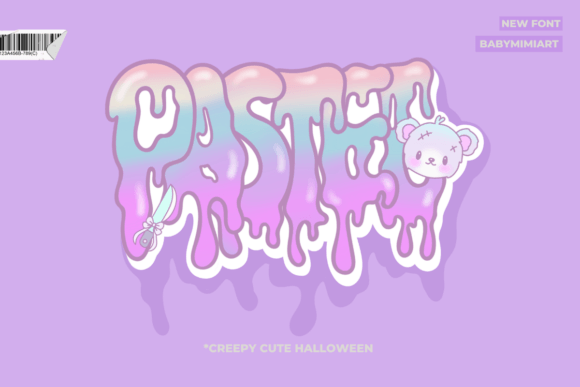
At its core, Pastel is a display typeface defined by its distinctive dripping effect. However, its true innovation lies in its color adaptability. While it can evoke a traditional gothic mood in dark tones, its design truly shines when paired with a soft pastel color palette. This juxtaposition creates a "spooky-cute" aesthetic, a modern design trend that resonates with audiences seeking playful yet sophisticated visuals. This font isn't just letters; it's a visual hierarchy tool that immediately sets a specific, memorable tone.
Practical Applications Across Creative Projects
The versatility of this creative asset extends far beyond party invitations. Its unique character makes it suitable for numerous professional applications where a brand wants to communicate with personality and flair.
Strengthening Brand Identity and Marketing
For brands in lifestyle, entertainment, or niche retail, incorporating Pastel into logo design or brand typography can instantly carve out a distinct identity. It’s particularly effective for:
- Event Branding: Creating cohesive themes for Halloween parties, themed pop-up shops, or seasonal marketing campaigns.
- Social Media Graphics: Designing eye-catching Instagram stories, Facebook headers, and promotional posts that stop the scroll with their unique blend of darkness and cuteness.
- Digital Marketing: Developing email headers, banner ads, and website call-to-action buttons that align with a specific campaign aesthetic.
Enhancing Digital and Print Design
From web design to physical merchandise, the font’s impact is tangible. In UI design, it can be used sparingly for standout headers or feature labels in apps targeting a youthful, trend-aware demographic. For packaging design, especially for confectionery, beauty products, or novelty items, it adds a layer of thematic intrigue. Furthermore, it’s a fantastic choice for editorial design in special magazine features or print design for posters and flyers that demand attention.
Tips for Effective Implementation
To leverage Pastel effectively, thoughtful integration into your broader design workflow is crucial. Consider these factors:
- Prioritize Readability: As a decorative font, use it for headlines, logos, or short impactful phrases. Pair it with a clean, highly legible sans-serif or serif font for body copy to maintain visual hierarchy and user experience.
- Color Palette Strategy: Experiment with color. A monochromatic pastel scheme creates a cohesive, dreamy feel. Contrasting a pastel dripped font with a dark, matte background can make the design pop dramatically.
- Context is Key: Ensure the font’s playful-goth tone aligns with your project’s goals and audience expectations. It’s perfect for brands embracing whimsy and nostalgia but may not suit ultra-corporate or minimalist contexts.
- Test for Scalability: Always check how the font renders at different sizes, especially for web design and social media graphics. The drip details should remain clear and intentional, not muddy.
In the realm of visual communication, every typographic choice tells a story. Selecting a distinctive font like Pastel demonstrates an understanding of current design trends and a commitment to creating memorable, emotionally resonant experiences. By thoughtfully integrating such high-quality creative assets, designers and creators can elevate their work, ensuring it not only captures attention but also communicates a precise and polished brand narrative. Ultimately, the right typography is a cornerstone of effective design, transforming ordinary projects into standout pieces of visual art.