Pinsher: A Retro Hand-Painted Font for Modern Design
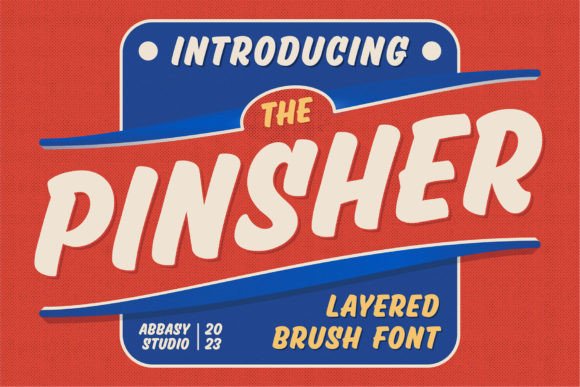
Imagine a font that instantly transports your audience to the charming aisles of a 1940s grocery store, where every price tag and special offer was a hand-painted work of art. That's the captivating power of Pinsher, a typeface meticulously inspired by the authentic paper signs that defined a nostalgic era of visual communication.
This unique font is based on retro hand-painted paper signs primarily seen in grocery stores from the 1940s through today. It captures the imperfect, human touch of brush strokes and ink, offering a warm and approachable aesthetic that stands out in our digitally polished world. For graphic designers seeking to inject authenticity and character into their projects, Pinsher provides a direct line to vintage charm.
The Role of Authentic Typography in Branding
In a saturated market, a strong brand identity relies on every visual element telling a cohesive story. Typography is a cornerstone of this narrative. Choosing a font like Pinsher can immediately communicate values of craftsmanship, tradition, and authenticity. It’s particularly effective for brands that want to evoke a sense of heritage, artisanal quality, or friendly nostalgia.
Consider its application in logo design and brand identity systems. A bakery, café, butcher shop, or local market could use Pinsher as a primary or accent typeface to create a logo that feels established and trustworthy. The font’s inherent texture adds a layer of visual interest that sans-serif fonts often lack, helping to build a memorable and distinctive brand presence.
Practical Applications Across Creative Projects
The versatility of a well-crafted retro font extends far beyond a single logo. Pinsher’s style lends itself beautifully to a variety of design contexts, enhancing both print and digital mediums with its unique character.
- Marketing & Print Materials: Create eye-catching flyers, posters, and brochures for sales, events, or seasonal promotions. The handwritten feel makes messages feel personal and urgent.
- Social Media Graphics: Stand out in fast-scrolling feeds with Instagram posts, Stories, or Pinterest pins that have a tactile, vintage quality. It’s perfect for quotes, announcements, and product highlights.
- Packaging & Editorial Design: Use it on product labels, hang tags, or book covers to add a retro flair. In editorial layouts, it makes for striking pull quotes or section headers that break the monotony of body text.
- Web & UI Design: While best used sparingly for readability, Pinsher can enhance website banners, hero section headlines, or call-to-action buttons, adding a distinctive personality to a user interface.
- Merchandise & Digital Products: From t-shirt designs to digital planners and printable wall art, this font helps create products with a built-in sense of style and history.
Integrating Retro Elements with a Modern Aesthetic
The key to using a font like Pinsher effectively is balance. Its strong personality means it should be paired thoughtfully with cleaner, more neutral typefaces for body copy to ensure readability and maintain a clear visual hierarchy. A common and effective pairing is a retro display font with a simple sans-serif.
Color palette selection is also crucial. Pair Pinsher with muted, vintage-inspired colors like cream, mustard yellow, olive green, or burgundy to reinforce the retro theme. Alternatively, using it against a stark, modern background can create a compelling contrast that highlights its unique texture.
Furthermore, consider adding the additional shadow variant often included with such fonts. This simple effect can instantly create depth and a more pronounced hand-painted look, allowing you to create beautiful combinations and bring a retro touch to your artworks with minimal effort.
Tips for Effective Use
- Define the Goal: Is your aim to evoke nostalgia, highlight craftsmanship, or simply add visual warmth? Let this guide your font choice and application.
- Ensure Scalability: Test the font at various sizes to ensure its details remain clear, especially for smaller applications like UI labels or fine print.
- Maintain Consistency: Use the font consistently across a project to build a coherent visual language. Overusing it can dilute its impact.
- Respect the Audience: While retro styles are trending, ensure the aesthetic aligns with your target audience’s expectations and the product’s nature.
Ultimately, the thoughtful selection of creative assets like fonts is a fundamental part of a professional design workflow. A resource like Pinsher doesn’t just offer a stylistic choice; it provides a tool for storytelling. By leveraging its authentic, hand-painted roots, designers can create work that feels more human, more engaging, and more deeply connected to a rich history of visual communication, thereby elevating both the aesthetic appeal and the emotional resonance of any creative project.