Retro Tag Graffiti: Elevating Modern Design with Urban Typography
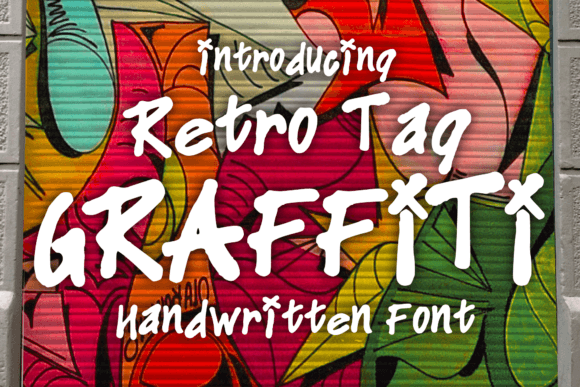
Imagine a typeface that captures the raw, energetic spirit of street art while delivering the polished precision required for professional design projects. Retro Tag Graffiti is precisely that—a graffiti tag-style display font crafted to inject a distinct urban edge into your visual work. It serves as a powerful creative asset for designers aiming to break from conventional typography and make a memorable statement.
Understanding the Visual Impact of Display Fonts
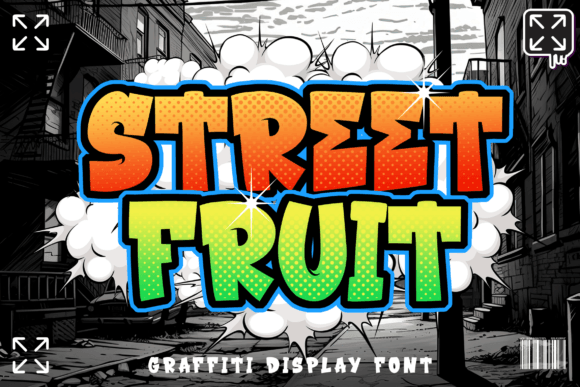
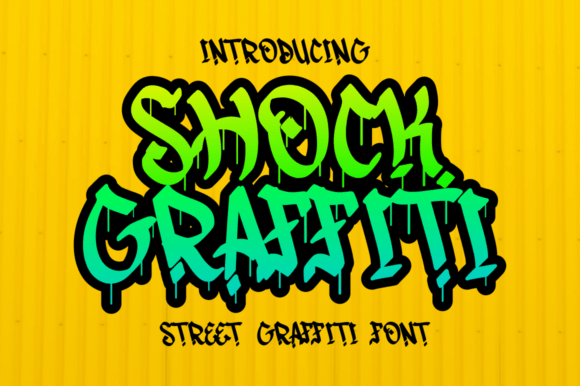
In graphic design, typography is a cornerstone of visual communication. A display font like Retro Tag Graffiti is designed for headlines, logos, and short bursts of text where maximum visual impact is needed. Its handwritten, spray-paint aesthetic immediately conveys attitude, authenticity, and a modern, streetwise sensibility. This makes it an invaluable tool for projects targeting audiences who appreciate contemporary culture, music, art, and urban lifestyles. The font’s style contributes directly to visual hierarchy, drawing the viewer’s eye and establishing a bold tone from the first glance.
Practical Applications Across Creative Projects
The versatility of a strong display font allows it to be integrated into a wide array of design contexts. Retro Tag Graffiti can elevate your work by adding a layer of cool, contemporary flair. Consider its application in:
- Branding and Logo Design: Create distinctive logos for brands in music, apparel, streetwear, or creative agencies. The font’s unique character helps build a memorable brand identity that stands out in crowded markets.
- Marketing and Social Media Graphics: Design eye-catching posters, event flyers, and social media content that demands attention. It’s perfect for announcements, promotions, and digital marketing campaigns that need a vibrant, youthful energy.
- Merchandise and Packaging: Apply it to t-shirt designs, skateboard logos, sticker packs, and product packaging. It adds instant appeal to physical goods, enhancing the overall user experience and perceived value.
- Editorial and Web Design: Use it for magazine covers, book titles, or website hero sections to create a strong focal point. When paired with a clean, readable body font, it establishes a dynamic visual hierarchy that guides the reader.
Integrating Typography into Your Design Workflow
Selecting the right font is a critical step in the design process. To use a style like Retro Tag Graffiti effectively, consider these practical tips. First, always prioritize readability. A display font should be used for short text elements, not body copy. Ensure your chosen font remains legible at the intended size, especially for crucial information like a brand name or call-to-action.
Second, maintain consistency with your overall brand system. The graffiti style should complement, not clash with, your color palette, imagery, and other typographic choices. A cohesive design strengthens brand identity and ensures a professional presentation. Finally, think about your audience and goals. This font communicates a specific tone—ensure it aligns with your message and resonates with your target demographic for maximum engagement.
Thoughtful design choices are what separate good work from great work. Investing in high-quality, purpose-driven creative assets like specialized fonts is an investment in clearer communication, stronger branding, and more impactful visual storytelling. By understanding the principles of typography and applying them with intention, you can ensure every project not only looks exceptional but also connects effectively with its audience.